The Benefits of Meditation for Mental Health
Introduction
In today’s fast-paced world, mental health challenges such as stress, anxiety, and emotional fatigue have become increasingly common. Many people are constantly searching for simple yet effective ways to improve their mental well-being. One of the most powerful and natural solutions is meditation.
Meditation is an ancient practice that involves focusing the mind and eliminating distractions to achieve a state of calm and clarity. The benefits of meditation for mental health are widely recognized, as it helps individuals manage stress, improve focus, and develop emotional balance. In this article, we will explore how meditation can positively impact your mental health and how you can incorporate it into your daily routine.
What is Meditation?
Meditation is a practice that trains your mind to focus and redirect thoughts. It often involves:
- Deep breathing
- Mindfulness (being present in the moment)
- Concentration on a specific object, thought, or activity
There are different types of meditation, including mindfulness meditation, guided meditation, and transcendental meditation. Each type offers unique benefits but shares the common goal of improving mental clarity and emotional stability.
Why Mental Health Matters
Mental health is just as important as physical health. It affects how you think, feel, and behave in daily life. Poor mental health can lead to:
- Anxiety and depression
- Low productivity
- Relationship issues
- Physical health problems
Taking steps to improve mental health, such as practicing meditation, can lead to a more balanced and fulfilling life.
Top Benefits of Meditation for Mental Health
1. Reduces Stress and Anxiety
One of the most well-known benefits of meditation is its ability to reduce stress. Meditation helps calm the mind and lower the body’s stress response.
How it helps:
- Reduces cortisol (stress hormone) levels
- Promotes relaxation
- Improves emotional resilience
Regular meditation can help you handle stressful situations more effectively.
2. Improves Focus and Concentration
Meditation trains your mind to stay focused. Over time, it enhances your ability to concentrate on tasks without getting distracted.
Benefits include:
- Better productivity
- Improved memory
- Enhanced attention span
This is especially helpful for students and professionals.
3. Enhances Emotional Health
Meditation helps you become more aware of your thoughts and emotions. This awareness allows you to respond to situations more calmly.
Positive effects:
- Reduces negative thinking
- Increases self-awareness
- Promotes emotional stability
It can also help reduce symptoms of depression.
4. Promotes Better Sleep
Many people struggle with sleep due to stress and overthinking. Meditation helps relax the mind, making it easier to fall asleep.
Benefits:
- Improves sleep quality
- Reduces insomnia
- Calms racing thoughts
Practicing meditation before bed can lead to deeper and more restful sleep.
5. Increases Self-Awareness
Meditation encourages self-reflection and helps you understand your thoughts and behaviors better.
Key benefits:
- Improves decision-making
- Builds confidence
- Enhances personal growth
It allows you to develop a deeper connection with yourself.
6. Reduces Symptoms of Depression
Meditation can be an effective tool for managing depression. It helps break the cycle of negative thinking.
How it works:
- Encourages positive thinking
- Reduces emotional reactivity
- Improves overall mood
While it is not a replacement for medical treatment, it can be a valuable complementary practice.
7. Boosts Overall Mental Well-Being
Regular meditation contributes to a sense of peace and happiness.
Benefits include:
- Increased positivity
- Better emotional balance
- Greater life satisfaction
It helps you live in the present moment and appreciate life more fully.
How to Start Meditating
Starting meditation is simple and does not require any special equipment.
Step-by-step guide:
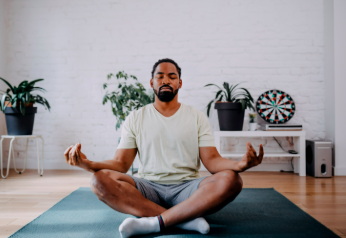
- Find a quiet place
- Sit comfortably
- Close your eyes
- Focus on your breathing
- Gently bring your mind back when it wanders
Start with 5–10 minutes daily and gradually increase the duration.
Types of Meditation You Can Try
| Type | Description |
|---|---|
| Mindfulness Meditation | Focus on the present moment |
| Guided Meditation | Follow instructions from an audio guide |
| Breathing Meditation | Focus on breathing patterns |
| Loving-Kindness Meditation | Develop compassion and positivity |
Tips for Effective Meditation
To get the most out of meditation, keep these tips in mind:
- Be consistent with your practice
- Choose a quiet and comfortable space
- Avoid distractions
- Be patient with yourself
- Focus on progress, not perfection
Meditation is a skill that improves with time.
Common Challenges and How to Overcome Them
Many beginners face challenges when starting meditation.
Common issues:
- Difficulty focusing
- Restlessness
- Impatience
Solutions:
- Start with short sessions
- Use guided meditation apps
- Practice regularly
Remember, it’s normal for your mind to wander—just gently bring it back.
Conclusion
The benefits of meditation for mental health are powerful and life-changing. From reducing stress and anxiety to improving focus and emotional well-being, meditation offers a natural and effective way to enhance your mental health.
By dedicating just a few minutes each day to meditation, you can create a positive impact on your mind and overall quality of life. Start small, stay consistent, and gradually experience the transformation meditation can bring.
FAQs
1. How long should I meditate daily?
Start with 5–10 minutes and gradually increase to 20–30 minutes per day.
2. Can meditation really reduce anxiety?
Yes, regular meditation helps calm the mind and reduce stress and anxiety levels.
3. Is meditation suitable for beginners?
Absolutely, meditation is simple and can be practiced by anyone.
4. When is the best time to meditate?
Morning and evening are ideal, but you can meditate anytime that suits you.
5. Do I need any equipment for meditation?
No, meditation requires no equipment—just a quiet space and your focus.