The Rise of Virtual Reality and Augmented Reality
Technology is rapidly reshaping how we interact with the world, and two of the most exciting innovations leading this transformation are Virtual Reality (VR) and Augmented Reality (AR). Once considered futuristic concepts, VR and AR are now becoming mainstream technologies with real-world applications across multiple industries.
In 2026, these immersive technologies are not only enhancing entertainment but also revolutionizing education, healthcare, retail, and business operations. Understanding their growth and impact is essential for anyone looking to stay ahead in the digital age.
What is Virtual Reality (VR)?
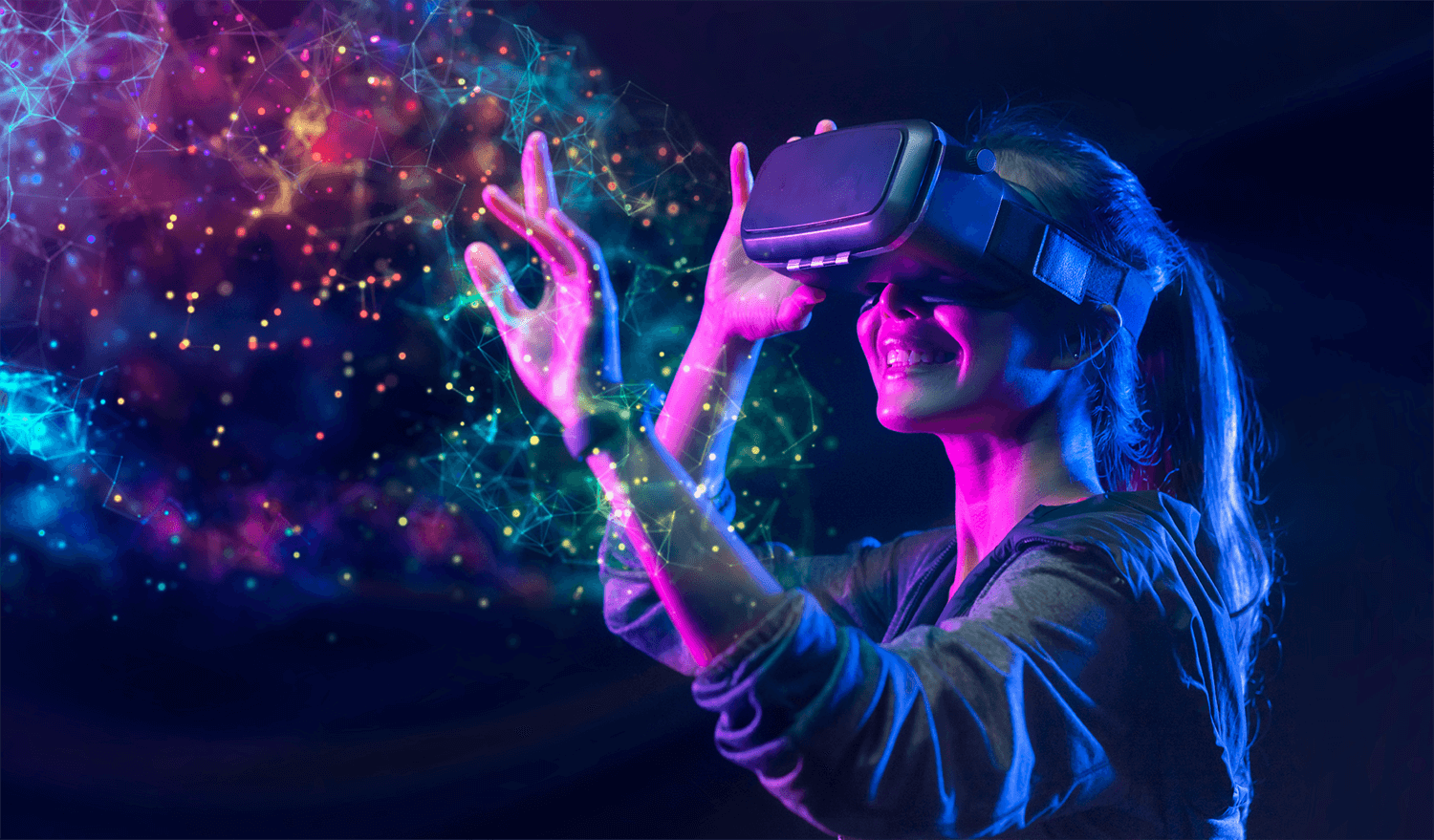
Virtual Reality (VR) is a technology that creates a completely immersive digital environment. Users typically wear a VR headset that transports them into a computer-generated world, allowing them to interact with virtual objects and surroundings.
Key Features of VR
- Fully immersive experience
- 3D environments
- Motion tracking and interaction
- Use of specialized headsets
VR isolates users from the real world and replaces it with a simulated environment.
What is Augmented Reality (AR)?
Augmented Reality (AR), on the other hand, enhances the real world by overlaying digital elements such as images, sounds, or information onto physical surroundings.
Key Features of AR
- Real-world interaction
- Digital overlays
- Accessible through smartphones or smart glasses
- Enhances rather than replaces reality
AR blends the physical and digital worlds, making it more accessible for everyday use.
Key Differences Between VR and AR
| Feature | Virtual Reality (VR) | Augmented Reality (AR) |
|---|---|---|
| Environment | Fully virtual | Real world + digital overlay |
| Devices | VR headsets | Smartphones, AR glasses |
| Immersion Level | High | Moderate |
| Usage | Gaming, simulations | Retail, navigation, apps |
Understanding these differences helps in identifying their unique applications.
1. VR and AR in Gaming and Entertainment
Gaming is one of the biggest drivers behind the rise of VR and AR.
Impact on Gaming
- Immersive VR gaming experiences
- Interactive AR-based mobile games
- Realistic environments and storytelling
Players can now step inside games and interact with virtual worlds like never before, making entertainment more engaging and lifelike.
2. VR and AR in Education
Education is being transformed through immersive learning experiences.
Applications
- Virtual classrooms and simulations
- AR-based interactive textbooks
- Practical training in safe environments
Students can explore historical sites, conduct virtual experiments, and learn complex concepts in a more engaging way.
3. VR and AR in Healthcare
Healthcare is benefiting significantly from VR and AR technologies.
Use Cases
- Surgical simulations and training
- AR-assisted surgeries
- Therapy and rehabilitation programs
Doctors can practice procedures in virtual environments, while patients can benefit from innovative treatment methods.
4. VR and AR in Retail and E-commerce
Retail businesses are using AR to enhance the shopping experience.
Examples
- Virtual try-ons for clothes and accessories
- Viewing furniture in real spaces
- Interactive product displays
These features reduce uncertainty and improve customer satisfaction, leading to higher conversion rates.
5. VR and AR in Real Estate
Real estate is becoming more accessible through virtual tours.
Key Benefits
- Remote property viewing
- Interactive walkthroughs
- Better decision-making
Buyers can explore properties without physically visiting them, saving time and effort.
6. VR and AR in Business and Training
Businesses are adopting VR and AR for training and collaboration.
Applications
- Employee training simulations
- Virtual meetings and workspaces
- Product design and prototyping
These technologies improve efficiency and reduce training costs.
7. VR and AR in Tourism and Travel
Tourism is being enhanced through virtual experiences.
Examples
- Virtual tours of destinations
- AR navigation and guides
- Cultural and historical exploration
Travelers can explore destinations before making decisions, improving their overall experience.
Benefits of VR and AR
Both technologies offer significant advantages across industries.
Key Benefits
- Enhanced user experience
- Improved learning and training
- Increased customer engagement
- Cost-effective solutions
- Better visualization and interaction
These benefits are driving widespread adoption of VR and AR technologies.
Challenges of VR and AR
Despite their growth, VR and AR face several challenges.
Common Challenges
- High cost of devices
- Technical limitations
- Privacy concerns
- Limited content availability
Overcoming these challenges will be crucial for future expansion.
Future Trends in VR and AR
The future of VR and AR is full of exciting possibilities.
Emerging Trends
- Lightweight and affordable devices
- Integration with artificial intelligence
- Expansion into the metaverse
- Improved realism and interaction
As technology advances, VR and AR will become more accessible and integrated into daily life.
Conclusion
The rise of Virtual Reality and Augmented Reality marks a significant shift in how we experience digital content. From gaming and education to healthcare and business, these technologies are transforming industries and creating new opportunities.
As VR and AR continue to evolve, they will play a central role in shaping the future of digital interaction. Businesses and individuals who embrace these innovations will be better prepared for the next generation of technology.
FAQs
1. What is the difference between VR and AR?
VR creates a fully virtual environment, while AR adds digital elements to the real world.
2. Where are VR and AR used the most?
They are widely used in gaming, education, healthcare, and retail.
3. Are VR and AR expensive?
VR devices can be costly, but AR is more accessible through smartphones.
4. What is the future of VR and AR?
The future includes better devices, AI integration, and wider adoption across industries.
5. Can VR and AR be used for education?
Yes, they provide immersive learning experiences and improve understanding.