How Smart Technology is Transforming Homes
Smart technology is redefining the concept of modern living. What once seemed like science fiction—homes that respond to your voice, adjust lighting automatically, and secure themselves—is now a reality. In 2026, smart homes are becoming increasingly popular as people seek convenience, efficiency, and enhanced security.
From AI-powered assistants to connected appliances, smart technology is transforming homes into intelligent ecosystems that adapt to users’ needs. This article explores how these innovations are reshaping daily life and what the future holds for smart living.
What is Smart Home Technology?
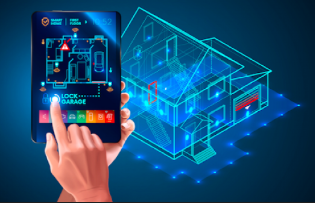
Smart home technology refers to a network of connected devices that communicate with each other and can be controlled remotely through smartphones, tablets, or voice assistants. These devices use technologies like the Internet of Things (IoT), artificial intelligence (AI), and cloud computing to function seamlessly.
Key Components of Smart Homes
- Smart devices (lights, thermostats, cameras)
- Connectivity (Wi-Fi, Bluetooth)
- Control systems (mobile apps, voice assistants)
Together, these components create a centralized system that enhances convenience and control.
1. Home Automation for Everyday Convenience
One of the biggest advantages of smart technology is automation. Smart homes can perform routine tasks automatically, saving time and effort.
Examples of Automation
- Lights turning on/off based on presence
- Thermostats adjusting temperature automatically
- Curtains opening with sunlight
- Appliances operating on schedules
Automation allows homeowners to focus on more important tasks while their home takes care of the rest.
2. Enhanced Home Security
Security is a major reason why people adopt smart home technology.
Smart Security Features
- AI-powered security cameras
- Motion detectors
- Smart door locks
- Video doorbells
These systems provide real-time alerts, remote monitoring, and advanced threat detection. Homeowners can monitor their property from anywhere, ensuring peace of mind.
3. Energy Efficiency and Cost Savings
Smart homes are designed to optimize energy usage, reducing both environmental impact and utility bills.
Energy-Saving Technologies
- Smart thermostats that learn user behavior
- Automated lighting systems
- Energy monitoring devices
These tools help reduce unnecessary energy consumption and promote sustainable living.
4. Voice Control and AI Assistants
Voice assistants have become the central hub of smart homes.
Popular Functions
- Controlling devices with voice commands
- Setting reminders and schedules
- Playing music or managing entertainment
- Providing real-time information
AI assistants make interacting with technology more natural and user-friendly.
5. Smart Appliances for Modern Living
Household appliances are becoming smarter and more efficient.
Examples
- Smart refrigerators that track groceries
- Washing machines with remote control
- Smart ovens with preset cooking modes
These appliances save time, reduce effort, and improve overall convenience.
6. Smart Entertainment Systems
Entertainment has also been transformed by smart technology.
Features
- Voice-controlled TVs
- Streaming integration
- Multi-room audio systems
- Personalized content recommendations
Smart entertainment systems provide a seamless and immersive experience.
7. Remote Access and Control
One of the most powerful features of smart homes is the ability to control everything remotely.
Benefits
- Control devices from anywhere
- Monitor home activity in real-time
- Manage energy usage remotely
This level of control ensures that your home is always under your supervision, even when you are away.
8. Integration and Connectivity
Modern smart homes are built on interconnected systems where devices work together.
Examples
- Lights adjusting when a movie starts
- Thermostat lowering temperature when you sleep
- Security system activating when you leave
This integration creates a seamless living experience.
Benefits of Smart Technology in Homes
Smart technology offers numerous advantages that make it an essential part of modern living.
Key Benefits
- Increased convenience
- Improved security
- Energy efficiency
- Cost savings
- Better quality of life
These benefits make smart homes more appealing to homeowners worldwide.
Challenges of Smart Home Technology
Despite its advantages, smart technology also comes with challenges.
Common Issues
- High initial setup cost
- Privacy concerns
- Dependence on internet connectivity
- Compatibility between devices
Addressing these challenges is important for widespread adoption.
Future of Smart Homes
The future of smart homes is incredibly promising. As technology advances, homes will become even more intelligent and responsive.
Future Trends
- AI-powered predictive automation
- Fully connected ecosystems
- Advanced energy management systems
- Integration with smart cities
Smart homes will continue to evolve, offering greater convenience and efficiency.
Conclusion
Smart technology is transforming homes by making them more efficient, secure, and convenient. From automation and energy management to AI assistants and smart appliances, these innovations are reshaping modern living.
As technology continues to advance, smart homes will become even more intelligent and accessible. Investing in smart technology today is not just about comfort—it’s about preparing for the future of living.
FAQs
1. What is a smart home?
A smart home uses connected devices that can be controlled remotely to improve convenience and efficiency.
2. Are smart homes expensive?
Initial costs can be high, but long-term savings on energy and maintenance can offset the investment.
3. Is smart home technology safe?
Yes, but users should ensure proper security measures like strong passwords and regular updates.
4. What devices are essential for a smart home?
Smart lights, thermostats, security cameras, and voice assistants are key devices.
5. What is the future of smart homes?
The future includes AI-driven automation, better integration, and more personalized experiences.