Credit Score Tips: Improve It Fast
Your credit score plays a crucial role in your financial life. It affects your ability to get loans, credit cards, and even better interest rates. A good credit score can open doors to financial opportunities, while a poor one can limit your options.
The good news is that improving your credit score doesn’t have to take years. With the right strategies and consistent effort, you can boost your score faster than you might think. This guide will walk you through practical and proven tips to improve your credit score quickly.
What is a Credit Score?
A credit score is a number that represents your creditworthiness. It shows lenders how reliable you are when it comes to borrowing and repaying money.
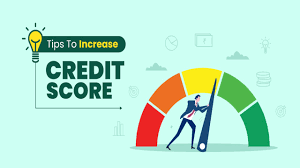
Credit Score Range
| Score Range | Rating |
|---|---|
| 300–579 | Poor |
| 580–669 | Fair |
| 670–739 | Good |
| 740–799 | Very Good |
| 800–850 | Excellent |
The higher your score, the better your chances of getting approved for credit with favorable terms.
Why Your Credit Score Matters
Your credit score impacts many aspects of your financial life.
Key Benefits of a Good Credit Score
- Easier loan approvals
- Lower interest rates
- Higher credit limits
- Better financial reputation
Improving your score can save you a significant amount of money over time.
Check Your Credit Report First
Before improving your score, you need to understand your current situation.
What to Look For
- Errors or incorrect information
- Late payments
- Outstanding debts
If you find mistakes, report them immediately to get them corrected.
Pay Your Bills on Time
Payment history is the most important factor in your credit score.
Tips to Stay on Track
- Set payment reminders
- Use automatic payments
- Pay at least the minimum amount due
Even one missed payment can negatively impact your score, so consistency is key.
Reduce Your Credit Utilization
Credit utilization is the amount of credit you’re using compared to your total limit.
Ideal Utilization Rate
Keep it below 30% for the best results.
Example
If your credit limit is $1,000, try not to use more than $300.
Lower utilization shows lenders that you are managing your credit responsibly.
Pay Off Debt Strategically
Reducing your debt is one of the fastest ways to improve your credit score.
Two Popular Methods
- Snowball Method: Pay off smaller debts first
- Avalanche Method: Pay off high-interest debts first
Choose the method that works best for your financial situation.
Avoid Opening Too Many New Accounts
Each time you apply for credit, a hard inquiry is recorded on your report. Too many inquiries can lower your score.
What to Do Instead
- Apply only when necessary
- Space out credit applications
- Focus on managing existing accounts
This helps maintain a stable credit profile.
Keep Old Credit Accounts Open
The length of your credit history also affects your score.
Why It Matters
- Longer history increases trust
- Shows consistent credit usage
Even if you don’t use an old account often, keeping it open can benefit your score.
Use Credit Cards Wisely
Credit cards can help improve your score if used correctly.
Smart Usage Tips
- Pay full balance whenever possible
- Avoid maxing out your card
- Use credit regularly but responsibly
Responsible usage builds a positive credit history.
Diversify Your Credit Mix
Having different types of credit can improve your score.
Examples
- Credit cards
- Personal loans
- Auto loans
A mix of credit types shows lenders that you can manage different financial responsibilities.
Become an Authorized User
If possible, become an authorized user on someone else’s credit card with a good payment history.
Benefits
- Improves your credit history
- Boosts your score faster
Make sure the primary user has a strong credit record.
Monitor Your Credit Regularly
Tracking your credit score helps you stay aware of changes and improvements.
Why Monitoring is Important
- Detects fraud early
- Tracks progress
- Keeps you motivated
Use free tools or apps to check your score regularly.
Common Mistakes to Avoid
- Missing payments
- Maxing out credit cards
- Closing old accounts
- Applying for too much credit
- Ignoring your credit report
Avoiding these mistakes can significantly speed up your progress.
Conclusion
Improving your credit score fast is possible with the right approach. By paying bills on time, reducing debt, managing credit wisely, and monitoring your progress, you can see noticeable improvements in a relatively short time.
Remember, consistency is the key. Small, smart financial habits practiced regularly can lead to a strong and healthy credit score.
Take control of your credit today and build a better financial future.
FAQs
1. How long does it take to improve a credit score?
You can see improvements in a few months, but significant changes may take longer depending on your situation.
2. What is the fastest way to boost a credit score?
Paying off debt and reducing credit utilization are among the fastest ways.
3. Can I improve my credit score without a credit card?
Yes, by paying loans on time and managing other credit responsibly.
4. Does checking my credit score lower it?
No, checking your own score does not affect it.
5. What is a good credit score?
A score above 670 is generally considered good.